
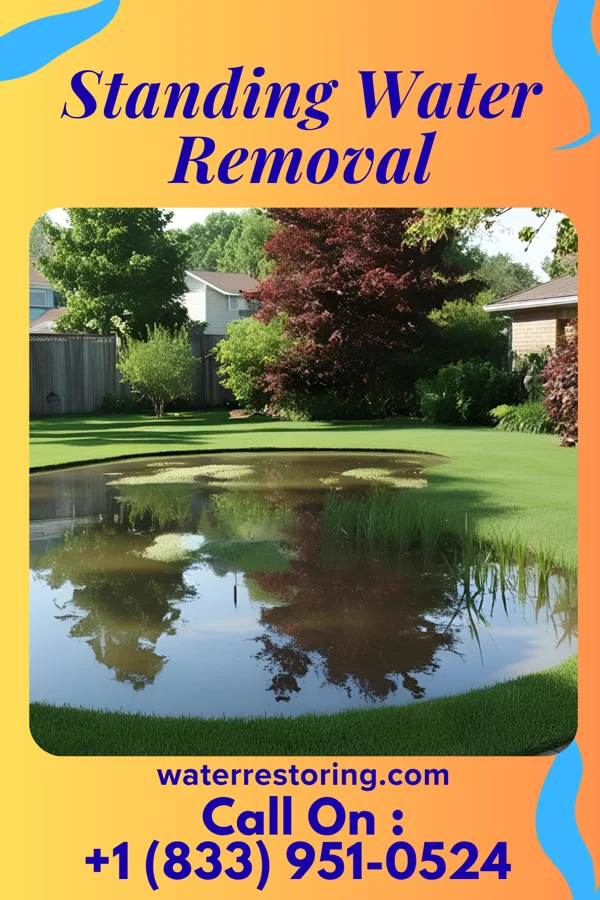
Standing Water & Insurance in Murdo
In Murdo, South Dakota, the primary water damage cause is often due to sudden plumbing failures, such as burst pipes or leaking water heaters, especially in older rural homes. Additionally, heavy rainfall and flooding from nearby rivers can lead to significant water intrusion in basements and low-lying areas. is the trigger behind most standing water removal claims in Murdo. A close second is Secondary causes include roof leaks from damaged shingles, improper drainage around properties, and groundwater seepage in poorly maintained crawl spaces. These issues are common in the rural setting of Murdo, where infrastructure is less dense and maintenance may be less frequent.. Most homeowner insurance policies cover sudden, accidental water damage. What separates a clean claim from a stuck one is fast professional response with documentation an adjuster can actually use.
Murdo experiences a semi-arid climate with cold winters and hot summers, which can lead to frozen pipes in winter and rapid evaporation in summer. These conditions increase the risk of both sudden and slow-onset water damage, particularly in older homes and rural properties.
Most standing water removal calls in Murdo come from In Murdo, South Dakota, the primary water damage cause is often due to sudden plumbing failures, such as burst pipes or leaking water heaters, especially in older rural homes. Additionally, heavy rainfall and flooding from nearby rivers can lead to significant water intrusion in basements and low-lying areas.. Running a close second is Secondary causes include roof leaks from damaged shingles, improper drainage around properties, and groundwater seepage in poorly maintained crawl spaces. These issues are common in the rural setting of Murdo, where infrastructure is less dense and maintenance may be less frequent.. Local mold risk: Mold growth can occur rapidly in Murdo's climate due to fluctuating temperatures and humidity levels, especially after water damage events. Prompt action is critical to prevent long-term structural and health issues in the region.